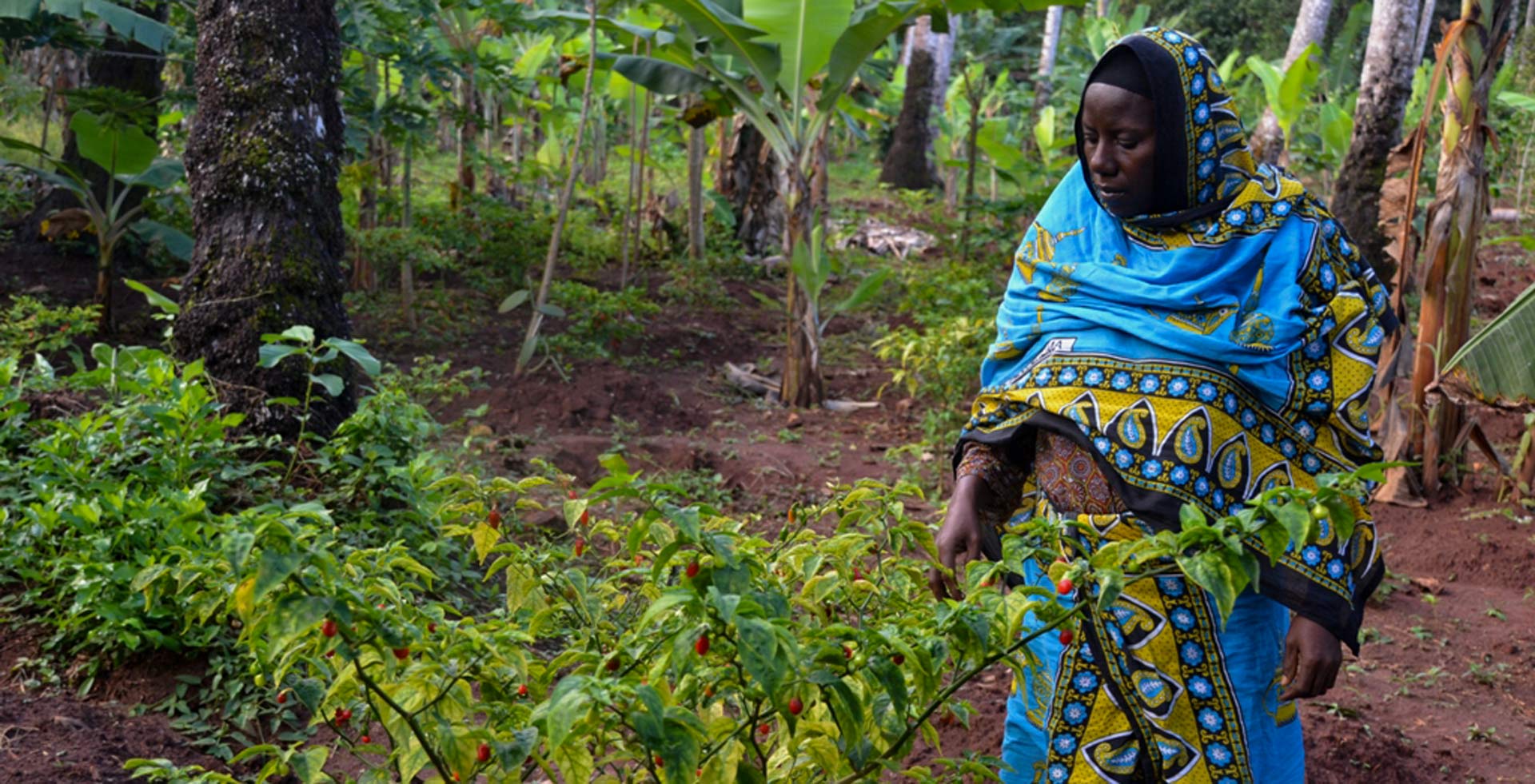
The VIUNGO Project strengthened climate resilience, food security, and incomes for smallholder farmers in Unguja and Pemba Islands by integrating climate-smart agriculture, nutrition, gender inclusion, and value chain development.
Through the EU-funded initiative, Peoples Development Forum (PDF) and partners supported 15,217 smallholder farmers across 60 communities, reaching 57,974 people overall (23,190 women; 15,652 men; 11,595 male youth; 7,537 female youth).
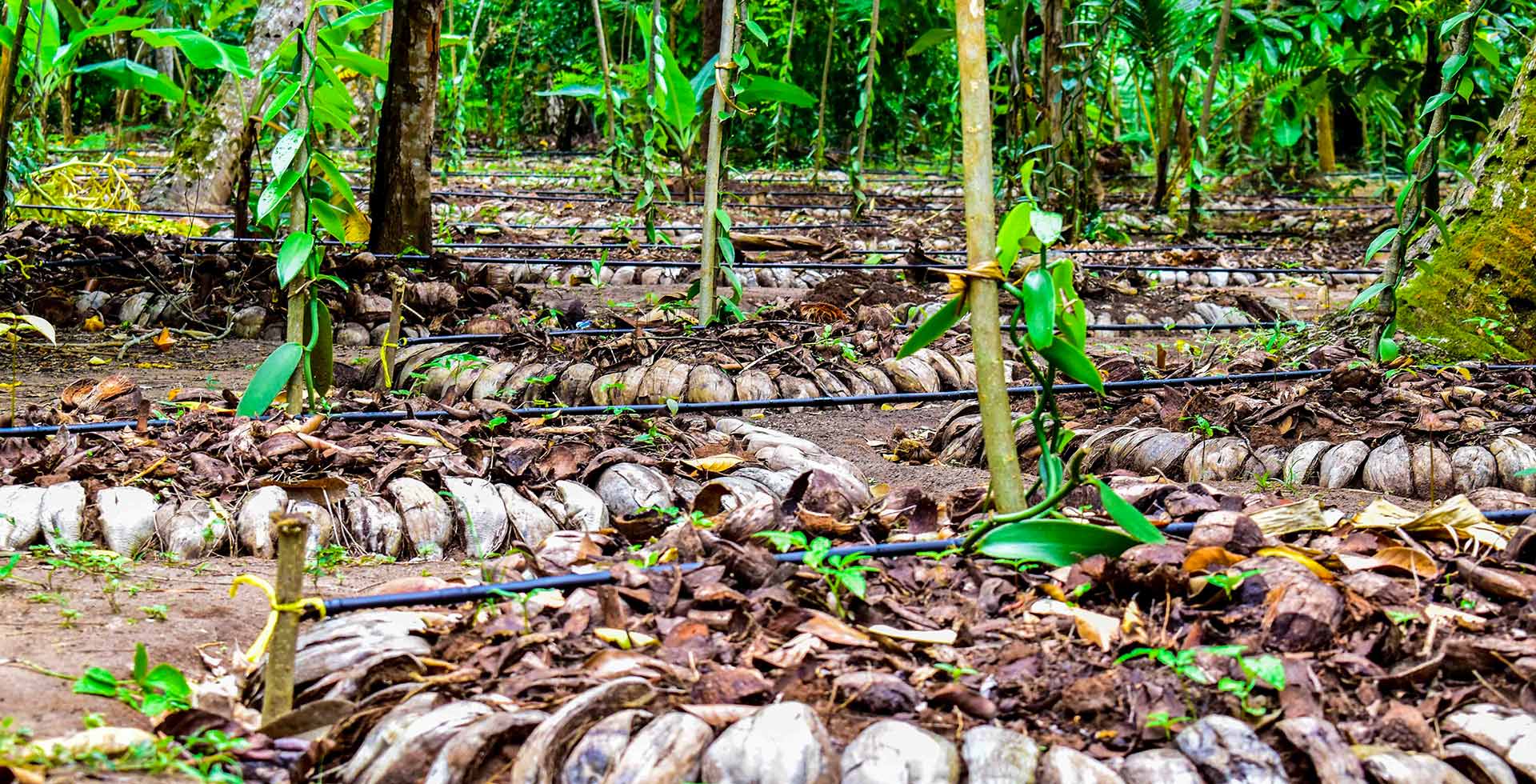
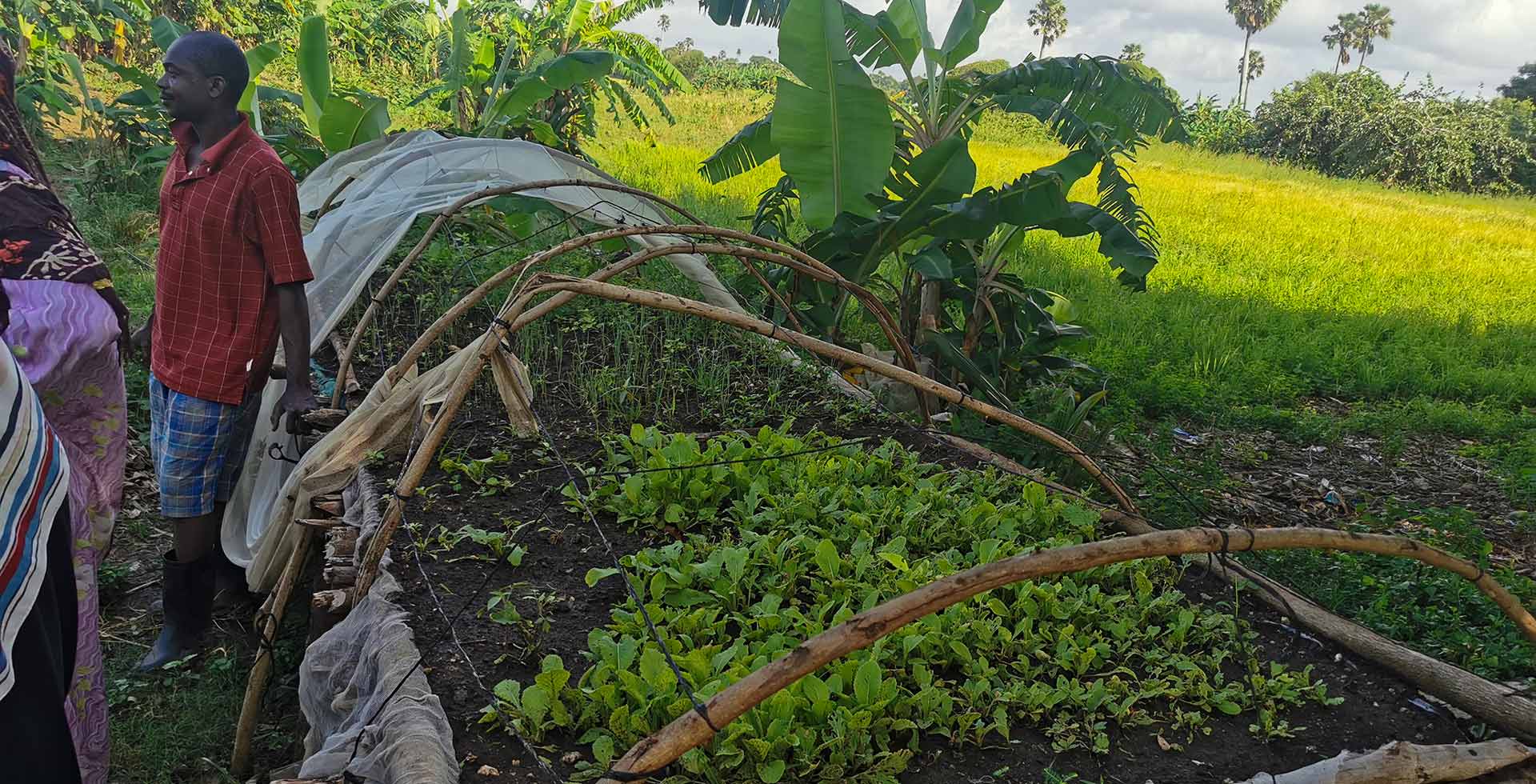
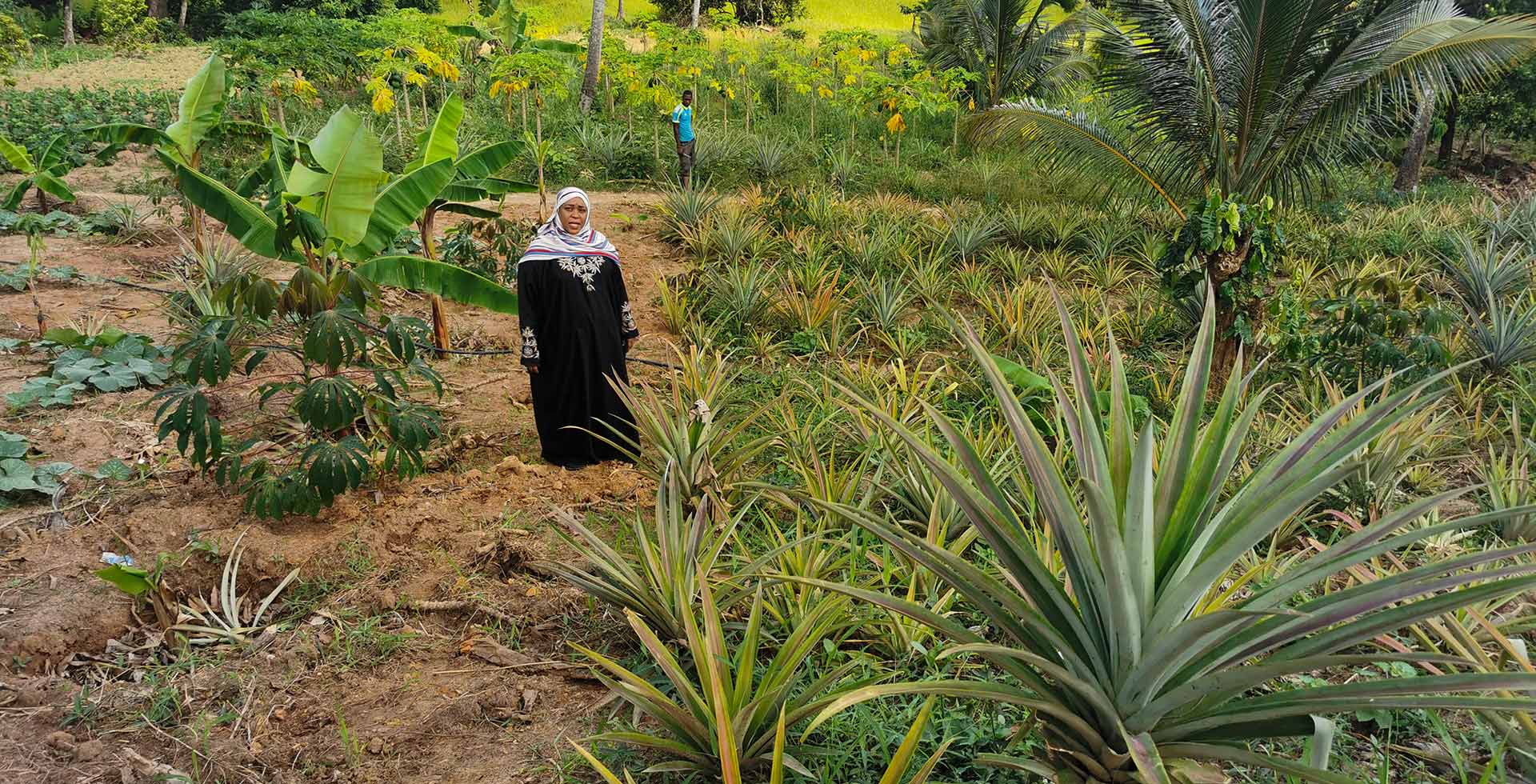
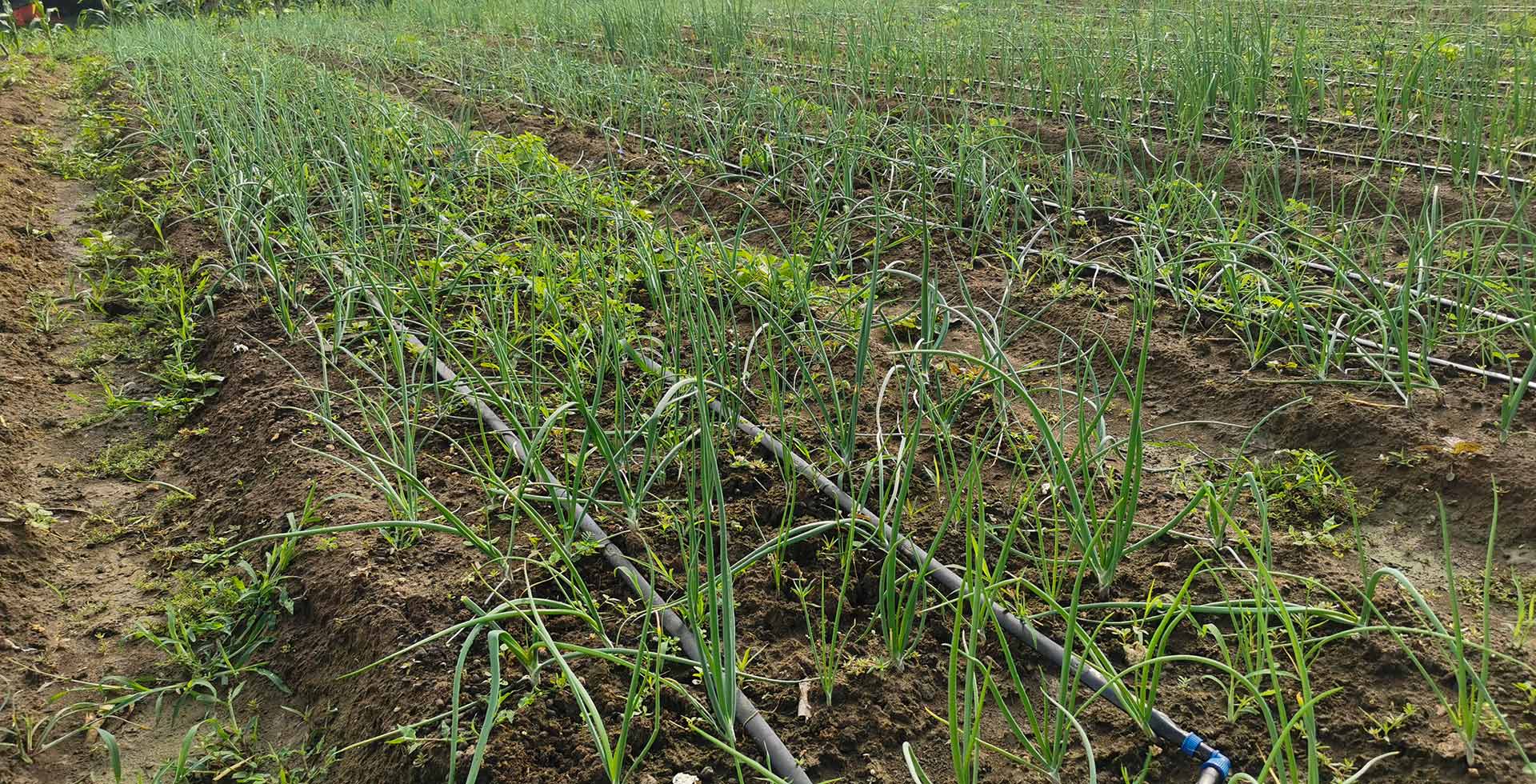
Farmers adopted climate-smart practices at a rate of 99.2%, including the use of organic fertilizers, improved seed varieties, mulching, irrigation and water-conservation technologies, and integrated pest management. These practices helped farmers increase productivity while strengthening resilience to climate shocks.
The project also strengthened food and nutrition security. In the latest survey, 99.2% of beneficiary households reported regular consumption of vegetables, fruits, and fish, supported by kitchen gardens and nutrition education.
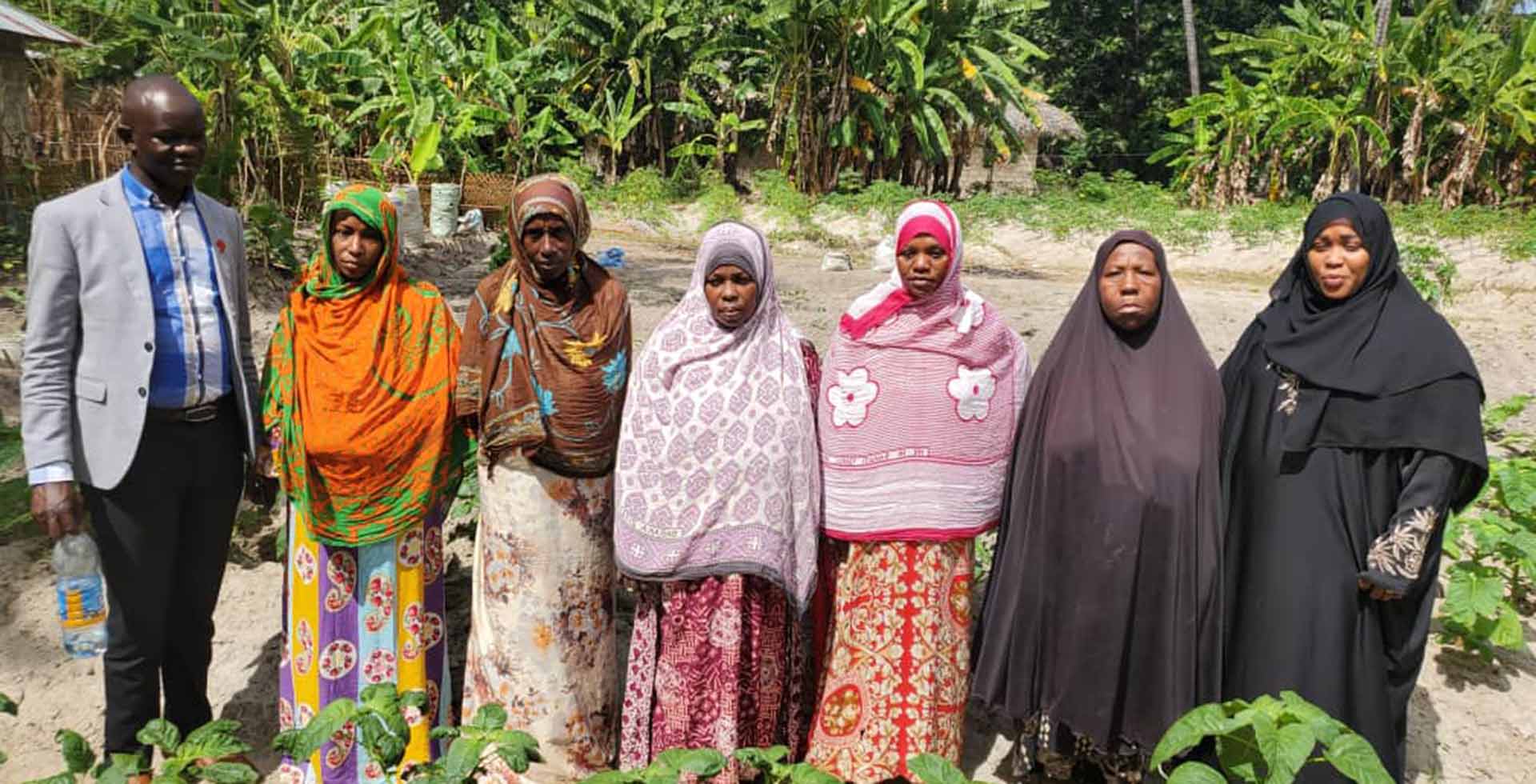
Women’s empowerment and financial inclusion were central to the project. 4,627 VSLA loans worth TZS 373 million from 204 VSLA groups were invested in horticulture enterprises, including the purchase of water pumps, irrigation facilities, water wells, water storage tanks, seedlings and seeds, and investments in value-addition practices such as processing. Women received the majority of these loans.
An additional TZS 724 million was accessed by VSLA members and invested in other development ventures beyond horticulture, further strengthening household financial resilience.
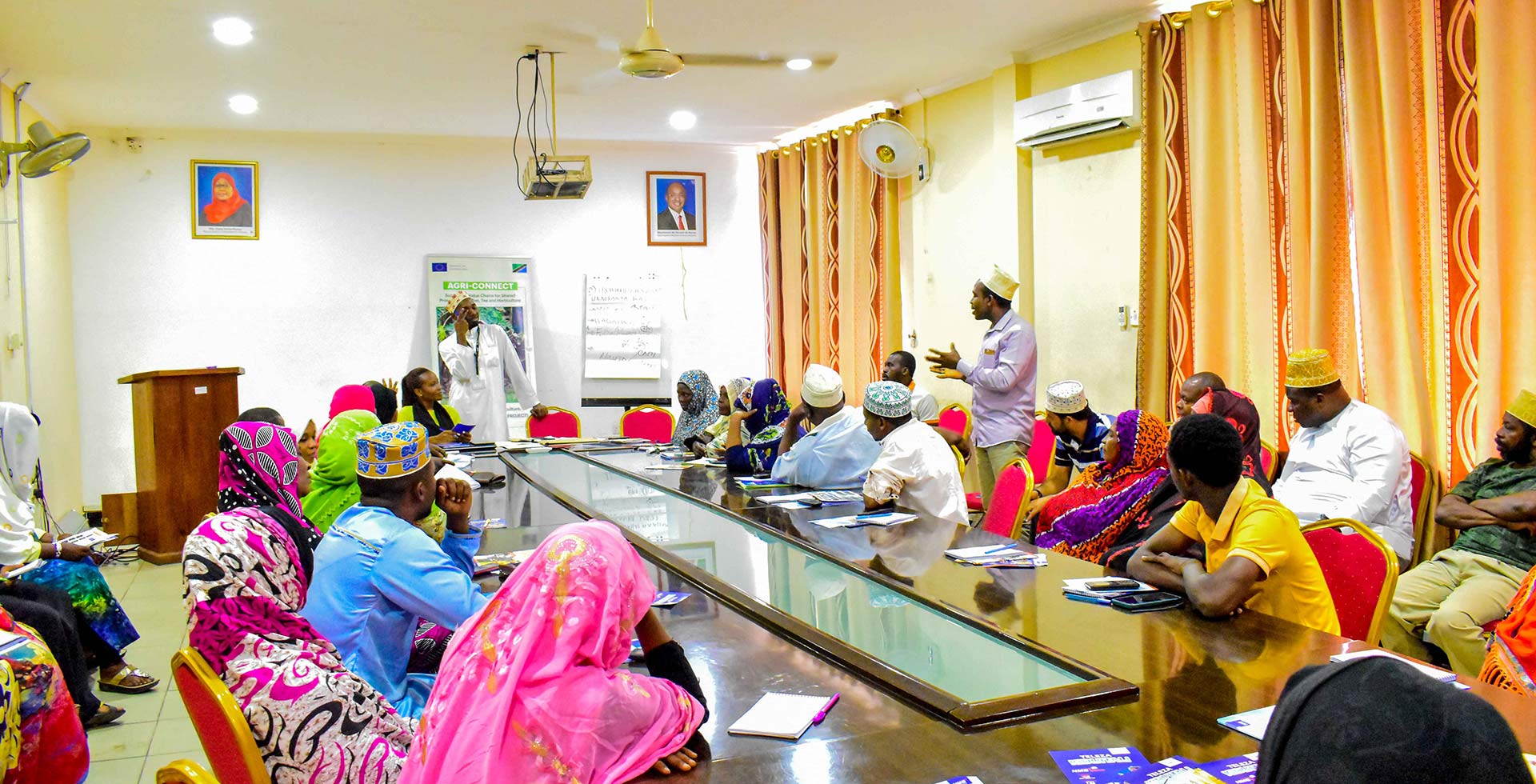
Other empowerment activities included training on financial literacy, provision of start-up tools and agricultural inputs to women and youth farmers, and support for certification and quality standards through institutions such as Zanzibar Bureau of Standards (ZBS), Zanzibar Food and Drugs Authority (ZFDA), Zanzibar Economic Empowerment Authority (ZEEA), and SMIDA. The project also supported value addition through the provision of processing machines, storage facilities, and renovated production spaces.
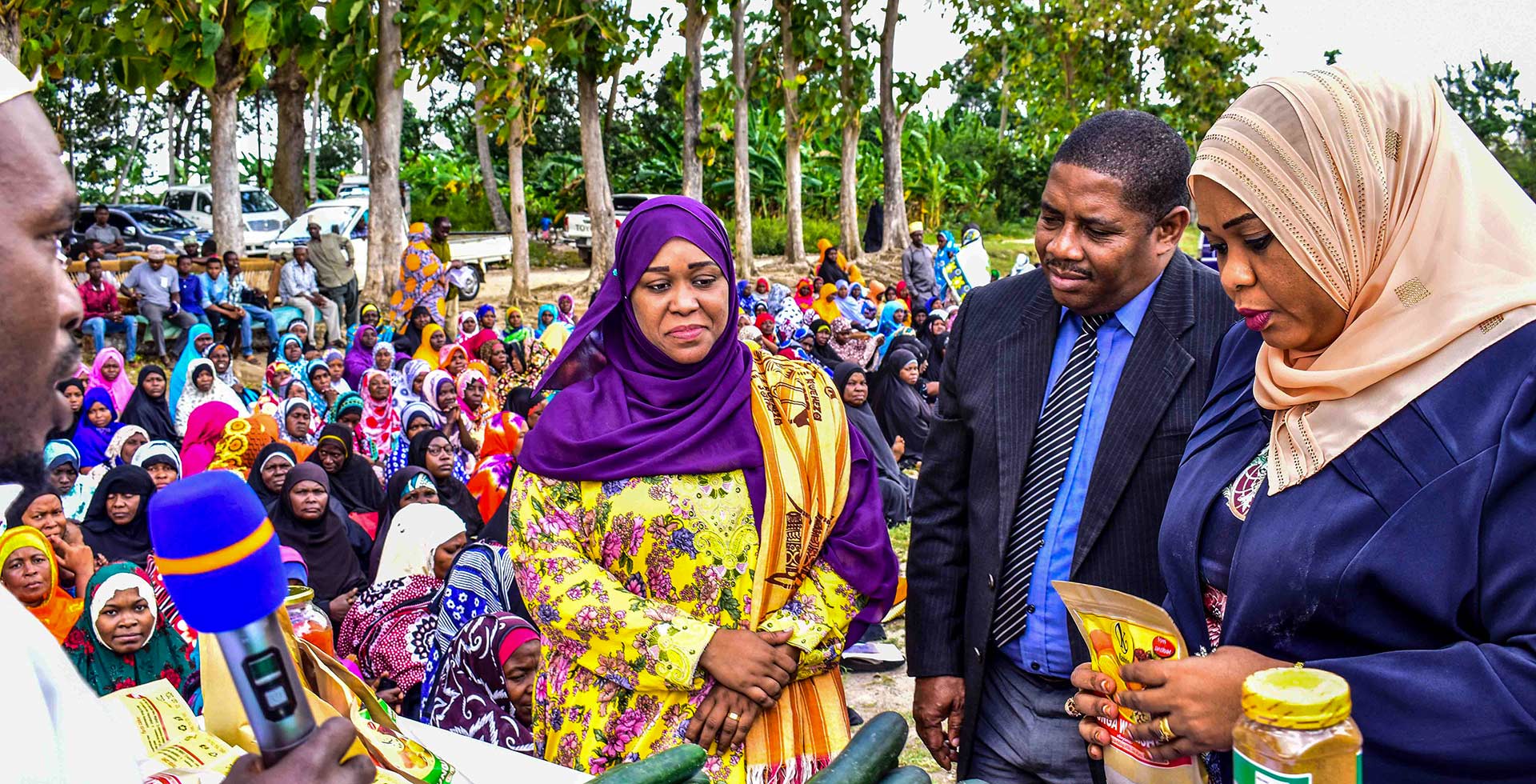
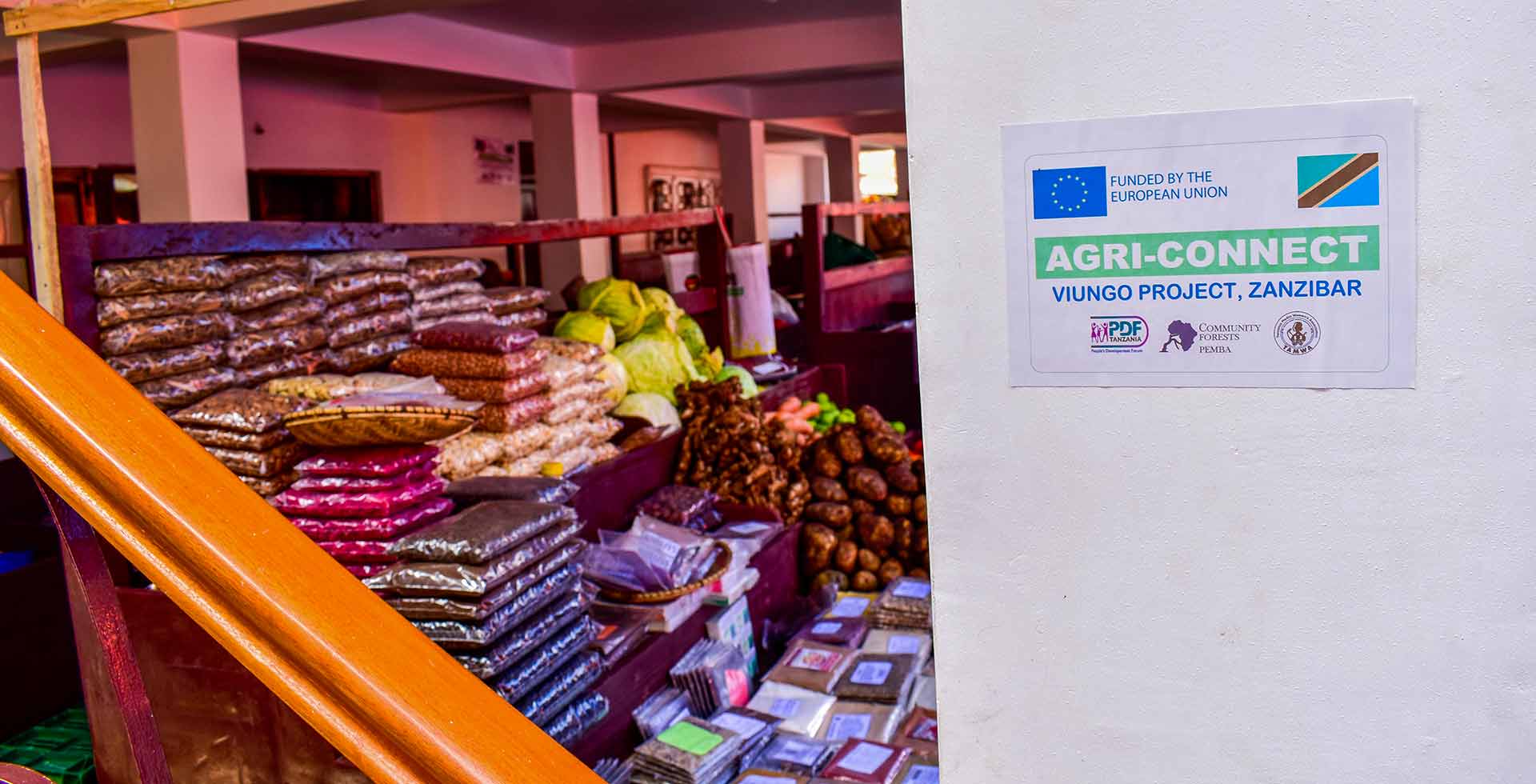
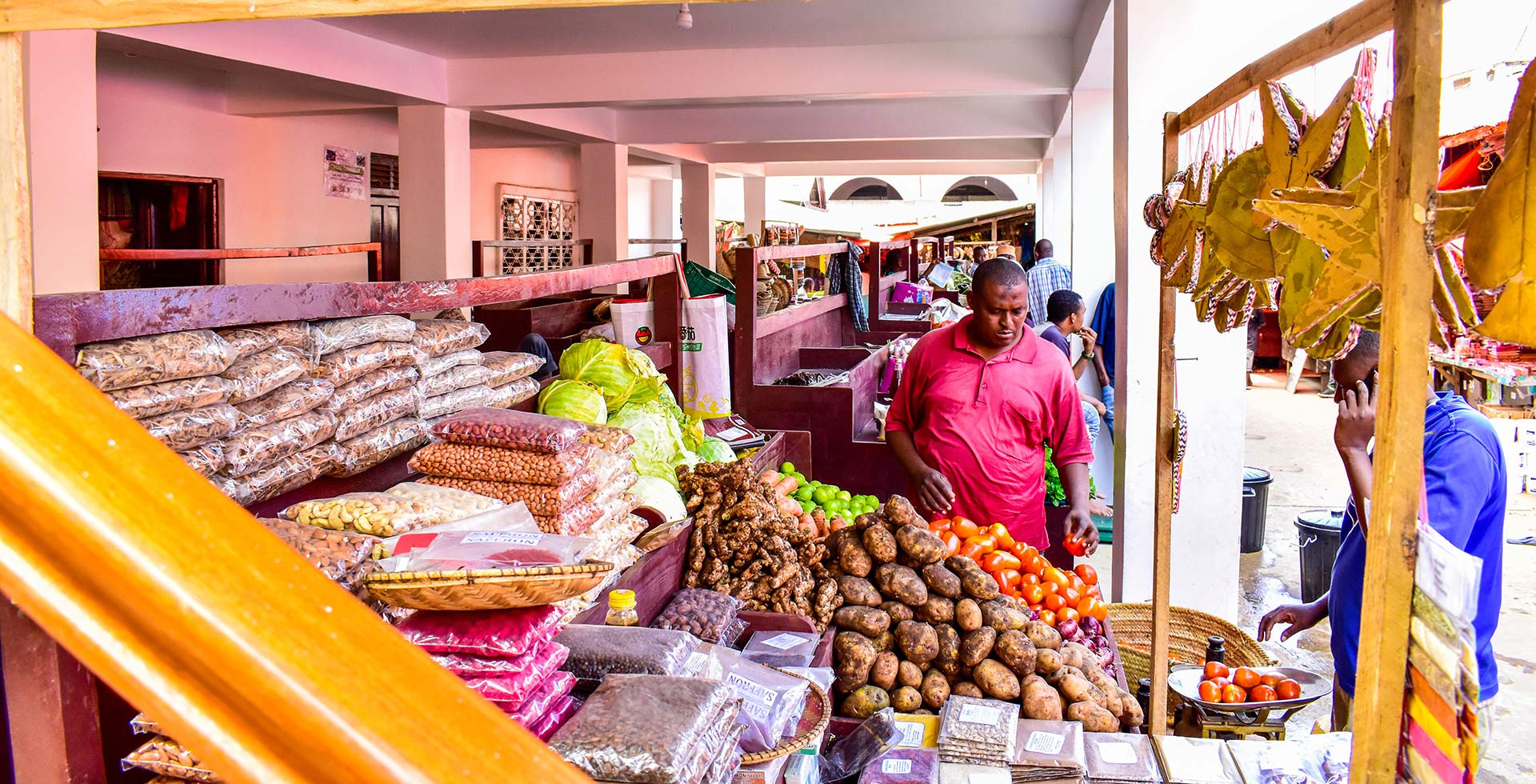
Farmers and producer groups were connected to local and international markets through exhibition events and linkages with other value chain actors using the Marketing Information System developed by TAHA and MAINRL.
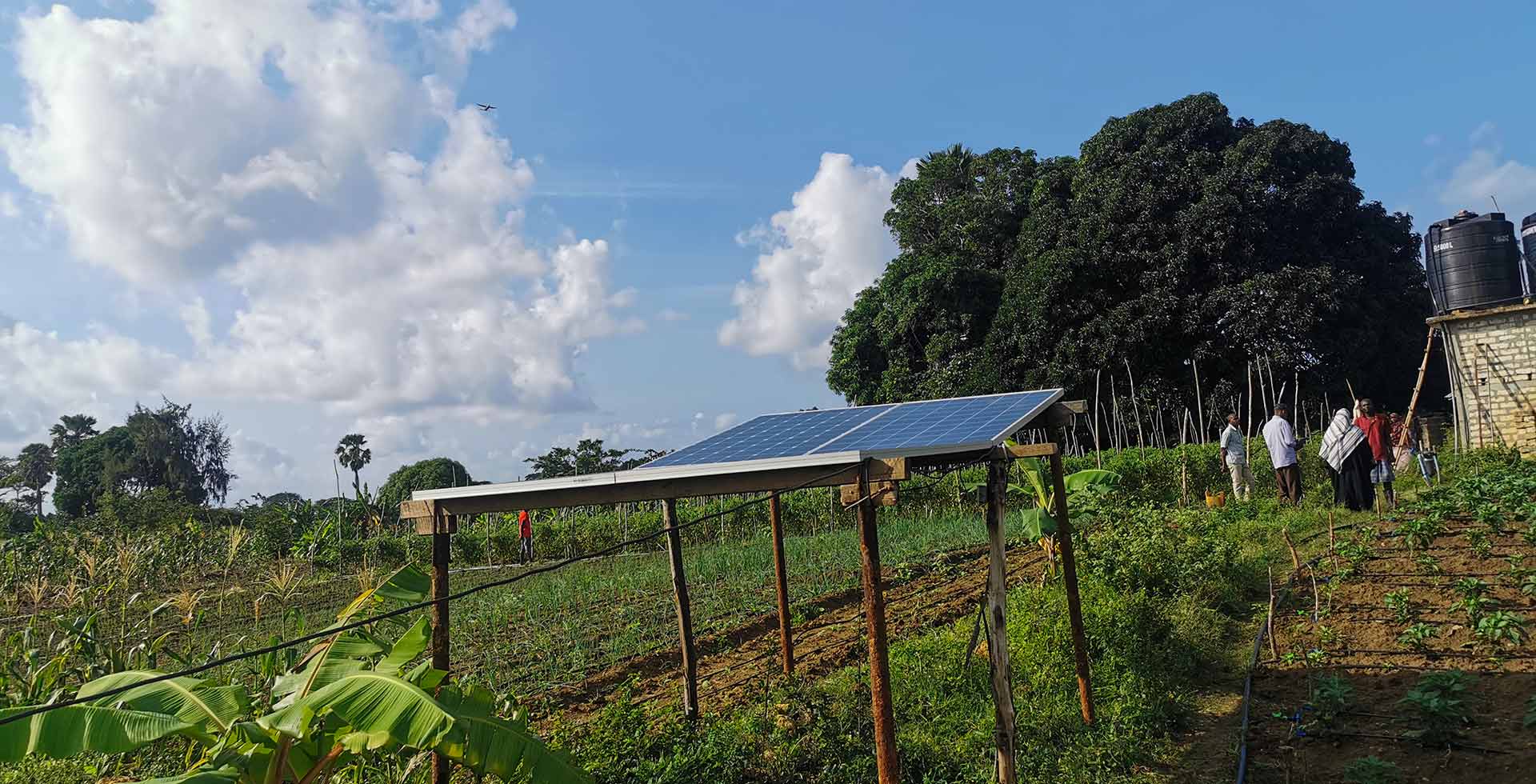
The project also provided matching grants to farmer groups and value addition cooperatives, supporting enterprise development through investments in water infrastructure such as shallow wells, water towers, solar and electric pumps, drip irrigation systems, and water storage tanks. Additional support included seedlings, trays, packaging materials, and renovations of storage rooms and production areas.
Through its financial inclusion efforts, the project linked 114 horticultural actors (1 processor, 47 traders, 3 agro-input dealers, 17 smallholder farmer groups, and 46 individual smallholder farmers) — including members from 32 VSLAs — to formal financial institutions such as CRDB Bank (COVID-19 Fund), NMB Bank, and SACCOS to improve access to credit. Through these linkages, loans totaling TZS 402 million were secured, enabling farmers to invest in improved technologies and strengthen horticulture production.
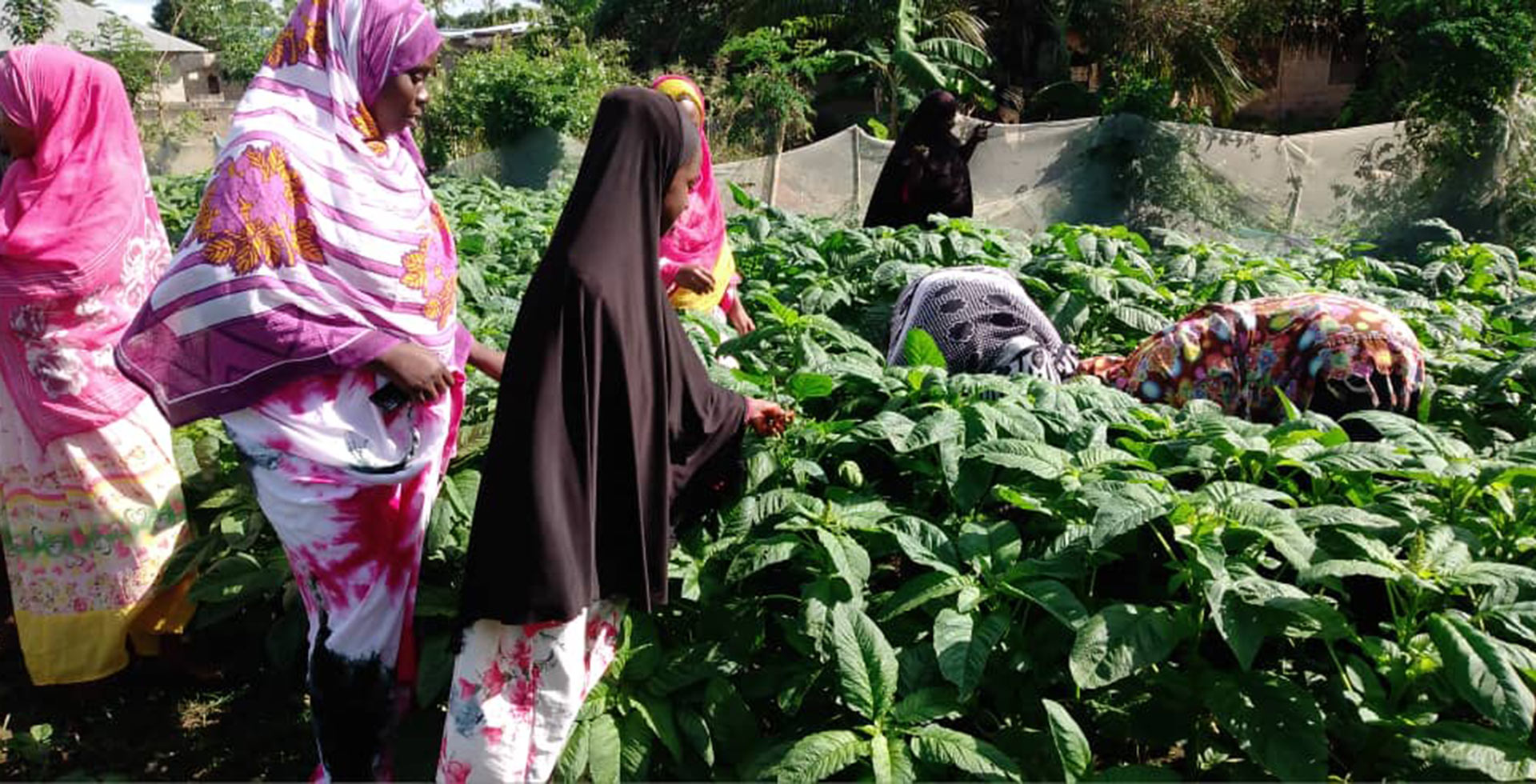
By project completion, over 6,000 women had adopted horticulture income-generating activities, strengthening household and community resilience.
To improve market access, farmers were linked to agro-dealers, traders, processors, exporters, supermarkets, hotels, and local markets, enabling them to sell crops such as tomatoes, spices, fruits, and vegetables in district markets and tourism facilities. By the end of the project, nearly 88% of beneficiaries reported increased income from horticulture activities supported by the project.
Infrastructure investments such as solar dryers, cold rooms, and model farms continue to support agricultural productivity and sustainability beyond the project’s completion.